Appalachian Language & Folklore
The hills have their own way of speaking. Janice Holt Giles understood that. In her stories (and in our community) the language of the mountains carries memory, humor, and hard-earned wisdom from one generation to the next.
Janice Holt Giles and the Appalachian Voice
The hills have always had their own way of speaking. Long before highways and headlines, language in Appalachia was shaped by frontier survival, family bonds, faith, humor, and the land itself. Words carried news, warnings, comfort, and memory — passed from porch to porch, from field to field.
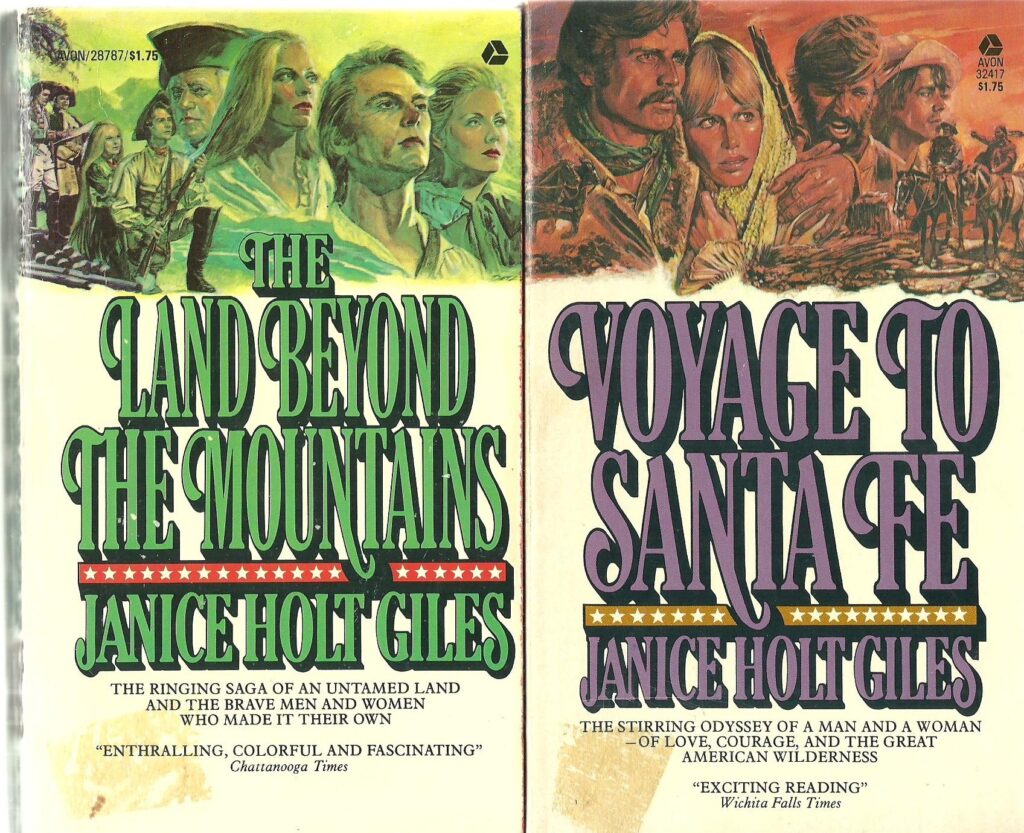
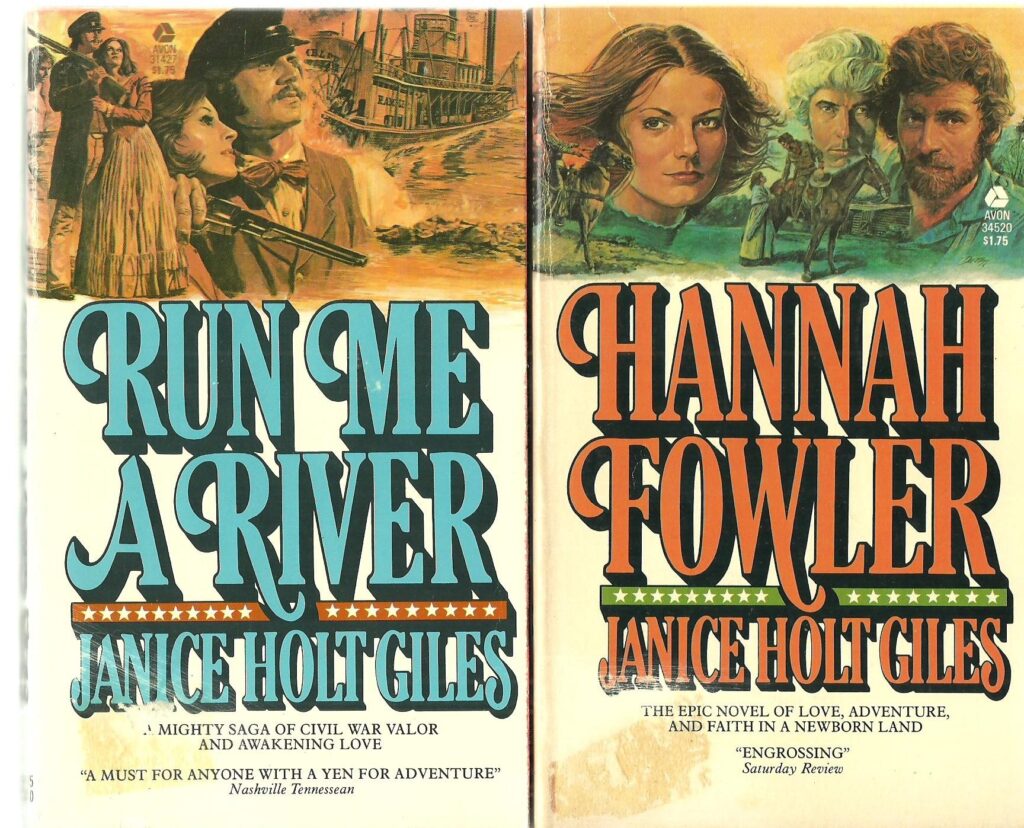
Janice Holt Giles understood that voice. In her novels set in Kentucky’s hills, she preserved not only stories of frontier life, but the language that gave those stories breath. Many of the phrases she wrote — and many she heard after settling in Adair County in 1949 — are still spoken here today.
Appalachian language is not broken English. It is a living dialect with deep roots, layered history, and remarkable resilience.
“The land was the only thing that did not change.”
Janice Holt Giles, The Enduring Hills
“Happiness takes remarkably few gadgets.”
Janice Holt Giles, Around Our House
When Janice moved to the Knifley community, she became a careful listener. She heard speech patterns shaped by Scots-Irish settlers, early English dialects, African American linguistic influence, and generations of mountain life. Rather than smoothing those voices into standard English, she honored them.
Her writing preserves rhythm, phrasing, and idioms that scholars now recognize as distinct features of Appalachian English — a dialect with its own grammar patterns, vocabulary, and pronunciation traditions.
Through her books, the language of the hills was not corrected — it was respected.
The Voice of the Appalachian Hills
Appalachian language and folklore are woven throughout Janice Holt Giles’ books. Her characters speak the language of the hills — phrases shaped by frontier life, self-reliance, and generations of oral tradition. Many of these expressions remain alive in rural Kentucky today, especially in Adair County.
How many do you recognize? Which ones do you still use?
Frontier Phrases
“Light and tie.”
Short for “alight and tie.” A friendly frontier greeting meaning to dismount your horse, tie it up, and stay awhile to visit.
“I’ll lay you six-forty to a coon skin.”
A wager. In frontier days, raccoon pelts were valuable trade goods. Interpretations suggest it may reference either a six-shot, forty-caliber firearm or 640 acres of land.
“We spit on a stick and tossed it to decide.”
A method of decision-making — similar to flipping a coin or drawing straws. The exact origin remains uncertain. (If you know, let us know!)
People
“Y’all” – You all
Are y’all going to the concert tonight?
“Youngin” – A child or young person
Tell those youngins to stay away from the creek.
“Man” – Someone’s boyfriend or husband
Where’s your man at, Linda?
“Woman” – Someone’s girlfriend or wife
Cindy is George’s woman.
“Boy” – An elder resident’s son (even if fully grown)
That’s Mr. Smith’s boy.
Descriptions & Expressions
“Untelling” – An unknown length of time
It’s untelling how long it’s been since I went to the fair.
“Enduring” – Long-lasting
Grandma’s china hutch is enduring.
“Clever” – Capable or skilled
Jim’s clever. He can plow a field better than anybody.
“I reckon.” – An agreement or intention
I reckon I should finish mowing before it rains.
Food
“Dry land creases” – A wild green similar to watercress
Cooked like other greens — parboiled, then sautéed in bacon fat.
“Dry land fish” – A morel mushroom
Harvested after a rain and known for its distinctive flavor.
Relationships
“Talking to…” – Early stages of dating
I’ve been talking to Stephen.
“Kin to…” – Related by blood or marriage
Sandra is kin to my dad.
Did You Know?
Appalachian English preserves elements of 16th and 17th century British speech.
Words like “afeared” and “reckon” appear in Shakespearean English.
The use of “a-” in phrases like “a-running” or “a-going” traces back to older English grammar patterns.
Many Appalachian expressions were shaped by isolation in mountainous terrain, which helped preserve older speech forms.
Linguists recognize Appalachian English as a legitimate dialect — not slang or incorrect speech.

Folklore of the Appalachian Hills
In the hills of Kentucky, knowledge was often passed by word of mouth. Long before printed guides or online advice, families relied on inherited wisdom — signs in the sky, planting rules, sayings about health, and quiet warnings shared across generations.
These traditions were not merely superstition. They were a way of understanding the land, the seasons, and community life.
Planting Signs & The Moon
- Plant root crops in the dark of the moon.
- Cut timber during a waning moon so it won’t warp.
- Wean babies by the signs.
These practices tied farming and family life to lunar cycles.
Weather Wisdom
“Red sky at night, sailor’s delight.”
If cows lie down, rain is coming.
A ring around the moon means snow.
These were survival tools before forecasts.
Folk Remedies
Sulfur and molasses in the spring to “thin the blood.”
Onion poultices for chest colds.
Grease and soot for burns.
These weren’t random — they were practical adaptations to rural life.
Storytelling Traditions
Evenings were for stories. Front porch tales, hunting stories, family legends, and cautionary ghost tales shaped community memory.
This connects beautifully to Janice — because she preserved that storytelling rhythm in her novels
How Folklore Shapes Speech
Folklore and language are inseparable in the Appalachian hills. Long before newspapers or formal schooling reached rural communities, knowledge traveled by voice — across fence lines, over supper tables, and on front porches at dusk. Sayings carried warnings about weather, advice about planting, guidance for raising children, and reminders about how to treat your neighbors.
Over time, those shared stories shaped the very way people spoke. Expressions grew out of lived experience. Humor softened hardship. Proverbs turned practical wisdom into memorable phrases. A single sentence could hold generations of observation.
The Appalachian dialect preserved more than vocabulary — it preserved values. Independence. Resourcefulness. Faith. Hospitality. Respect for the land. Even today, when someone says “I reckon” or tells you to “stay a spell,” they are echoing a worldview rooted in patience, humility, and community connection.
In this way, language becomes a living archive. Each phrase is not just a collection of words, but a thread tying present-day Adair County to the voices that came before.